
Five Elements for Seasonal Health
Have you ever considered how the changing seasons can influence your health and emotional well-being? Traditional Chinese Medicine (TCM) offers profound insights through its Five Element Theory, which connects our physical, emotional, and spiritual states to the natural world around us. Understanding these connections can lead to a more harmonious and balanced lifestyle.
What You Will Learn
- The Five Elements—Wood, Fire, Earth, Metal, and Water—are linked to specific organs, emotions, and seasons, shaping our health and well-being.
- Each season encourages specific health practices: support the liver in spring, nourish the heart in summer, strengthen the spleen in late summer, enhance lung function in fall, and boost kidney health in winter.
- Yin and Yang balance is crucial for seasonal well-being; each season presents opportunities to embrace either Yin (rest and reflection) or Yang (activity and warmth).
- Diet plays a significant role in aligning with seasonal health; for example, leafy greens and herbs in spring, cooling fruits in summer, and warming broths in winter can support your body's needs.
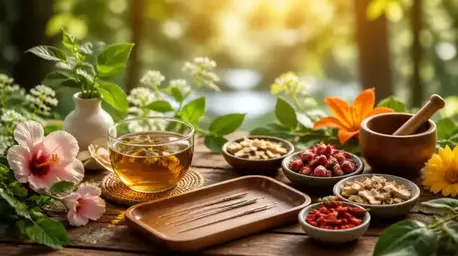
- Acupuncture can enhance seasonal health by harmonizing the body's energies, addressing imbalances, and promoting overall vitality throughout the year.
- Understanding and addressing Seasonal Affective Disorder (SAD) through TCM principles can help manage emotional well-being during darker months.
Seasonal Elements in Traditional Chinese Medicine
Explore how the Five Elements correspond to seasons, organs, and recommended foods for optimal health.
Wood
Season: Spring
Organ: Liver
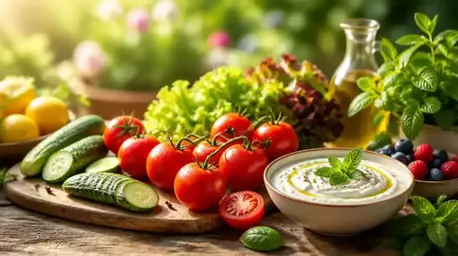
Food: Leafy greens and herbs
Fire
Season: Summer
Organ: Heart
Food: Cooling fruits and vegetables
Earth
Season: Late Summer
Organ: Spleen
Food: Whole grains and sweet potatoes
Metal
Season: Fall
Organ: Lungs
Food: Spicy foods like ginger
Water
Season: Winter
Organ: Kidneys
Food: Warm broths and hearty grains
Understanding the Five Elements in Traditional Chinese Medicine
Have you ever paused to think about how everything in nature is interconnected? In Traditional Chinese Medicine (TCM), the Five Elements—Wood, Fire, Earth, Metal, and Water—serve as a framework to understand our health and well-being. Each element embodies specific qualities and functions that not only influence our physical bodies but also our emotional and spiritual states. As the seasons shift, these elements remind us to align our wellness practices with nature’s rhythms, an idea that truly resonates with my work at Needle & Nature. To delve deeper into this foundational concept, explore our article on The Five Elements of Chinese Medicine.
Overview of Five Element Theory
The Five Element Theory is not just a system; it’s a lens through which we can view the world. Each element relates to various organs, emotions, and seasons. For instance, the Wood element is connected to the liver and spring, symbolizing growth and renewal. Understanding these connections helps us to make informed choices in our daily lives. Have you ever noticed how your mood shifts with the seasons? This theory explains that beautifully!
- Wood: Liver, spring, growth.
- Fire: Heart, summer, joy.
- Earth: Spleen, late summer, nurturing.
- Metal: Lungs, fall, letting go.
- Water: Kidneys, winter, reflection.
By embracing the Five Elements, we can create a holistic approach to our health. Picture this: as the vibrant colors of spring emerge, our bodies, aligned with the Wood element, crave renewal and vitality. This perspective allows us to cultivate habits that resonate with what our bodies genuinely need throughout the year.
Connection Between Elements, Organs, and Seasonal Health
Each element corresponds with specific organs and plays a vital role in our seasonal health. For example, the Metal element, linked to the lungs, emphasizes the importance of breathing and immunity as we transition into fall. Throughout the year, our bodies echo these elemental shifts, reminding us to pay attention to our health needs. Have you ever noticed a change in your energy levels or emotions during the seasonal transitions? You can learn more about how to maintain acupuncture and seasonal harmony on our blog.
- Spring: Support the liver with greens and detoxifying foods.
- Summer: Hydrate and nourish the heart with cooling foods.
- Late Summer: Focus on the spleen with warm, comforting meals.
- Fall: Strengthen the lungs with spicy and warming foods.
- Winter: Boost kidney yang with hearty, warming dishes.
By tuning into these connections, we can enhance our overall wellness. At Needle & Nature, I encourage my clients to explore how the seasonal shifts affect their health and how they can adapt their lifestyles accordingly.
The Role of Yin and Yang in Seasonal Health
Another fundamental concept in TCM is the balance of Yin and Yang. Yin represents rest, reflection, and nourishment, while Yang embodies activity, passion, and warmth. Each season offers a unique opportunity to explore this balance. For example, winter invites us to embrace Yin energies, encouraging us to slow down and recharge. How do you find balance in your life as the seasons change?
- Winter: Embrace rest and reflection.
- Spring: Cultivate growth and renewal.
- Summer: Engage in dynamic activities for joy.
- Fall: Practice mindfulness and letting go.
Recognizing and nurturing this balance can lead to profound shifts in our health. As I work with clients at Needle & Nature, I’m constantly amazed by how aligning our practices with these principles transforms their well-being. By understanding the Five Elements and their interplay with Yin and Yang, we can create a path toward harmonious health that flows with nature's cycles. For additional insights into how acupuncture supports this balance, consider reading about Acupuncture for Seasonal Wellness.
Pro Tip
To truly harness the power of the Five Elements in your daily life, try integrating seasonal rituals that align with each element. For example, during spring, dedicate time to spring cleaning—not just your home, but also your mind and body. Consider a detox or a fresh start in your routines to welcome growth and renewal. This simple practice can enhance your connection to the natural cycles and improve your overall well-being.
Frequently Asked Questions About Seasonal Health in TCM
The Five Element Theory in Traditional Chinese Medicine (TCM) is a framework that connects our physical, emotional, and spiritual states to the natural world. It involves five elements—Wood, Fire, Earth, Metal, and Water—each linked to specific organs, emotions, and seasons, influencing our overall health and well-being.
Each season corresponds to a specific element and organ, guiding particular health practices. For example, spring is associated with the Wood element and the liver, so focusing on leafy greens supports liver health. Similarly, winter relates to the Water element and kidneys, recommending warming broths to boost kidney function.
Yin and Yang represent the balance of complementary forces. Yin is associated with rest, reflection, and nourishment, while Yang is linked to activity, passion, and warmth. Each season provides opportunities to embrace either Yin or Yang energies to maintain balance; for instance, winter encourages Yin (rest), while summer promotes Yang (activity).
Diet plays a crucial role in aligning with seasonal health. TCM recommends specific foods for each season: leafy greens and herbs in spring for liver support, cooling fruits in summer for heart nourishment, whole grains and sweet potatoes in late summer for spleen health, spicy foods in fall for lung function, and warming broths in winter for kidney vitality.
Yes, acupuncture is highly effective in enhancing seasonal health by harmonizing the body's energies and addressing imbalances. It can boost energy, reduce stress, support emotional well-being, and promote overall vitality throughout the year, adapting treatments to align with each season's unique needs.
TCM principles help manage SAD by encouraging practices that counter the effects of darker months, such as engaging in outdoor activities for natural light, practicing mindfulness to build emotional resilience, and incorporating warming foods and herbs to nourish the spirit. This holistic approach aims to balance emotional well-being throughout the year.
Further Reading: Healing with Seasonal Chinese Medicine
For those interested in exploring more about integrating seasonal wisdom into their health practices, our detailed article on Healing with Seasonal Chinese Medicine offers further insights and practical tips.
Addressing Common Questions About Seasonal Health Strategies
As we dive deeper into the world of seasonal health, it’s important to tackle some common questions that many people have about aligning their well-being with nature’s rhythms. At Needle & Nature, we believe that understanding how the Five Elements interconnect with our health can be a powerful tool in creating a balanced lifestyle. Let’s explore these questions together!
How Do the Five Elements Influence Seasonal Well-being?
The Five Elements—Wood, Fire, Earth, Metal, and Water—serve as a framework for understanding how our bodies interact with the changing seasons. Each element corresponds to specific organs and emotions, influencing our physical and mental health. For instance, during spring, the Wood element symbolizes growth and renewal, encouraging us to embrace change and vitality.
On the other hand, as fall approaches, the Metal element, associated with the lungs and large intestine, reminds us to focus on letting go and processing emotions. This cyclical connection illustrates how our well-being fluctuates with nature, urging us to adapt our lifestyle accordingly. Have you ever felt more energetic in the spring than in the winter? This shift is a reflection of the elements at play!
- Wood: Growth and renewal in spring
- Fire: Joy and vitality in summer
- Earth: Nourishment and stability in late summer
- Metal: Letting go and reflection in fall
- Water: Rest and introspection in winter
What Are the Best Foods for Each Season According to TCM?
According to Traditional Chinese Medicine (TCM), the foods we eat can either support or hinder our health based on the season. Here’s a quick guide to seasonal foods that can nourish your body and align with each element:
- Spring: Leafy greens, sprouts, and herbs to support liver health.
- Summer: Cooling fruits and vegetables like watermelon and cucumber for hydration.
- Late Summer: Whole grains and sweet potatoes to strengthen the spleen.
- Fall: Foods rich in spice, like ginger and garlic, to support lung function.
- Winter: Warm broths and hearty grains to nourish the kidneys.
By incorporating these foods into your diet as the seasons change, you can enhance your energy levels and overall vitality. It’s amazing how something as simple as what we eat can make such a difference in how we feel!
How Does Acupuncture Enhance Seasonal Health?
Acupuncture is a powerful ally in maintaining seasonal health by helping to balance the body’s energies. At Needle & Nature, I’ve seen firsthand how acupuncture treatments can harmonize the body’s internal landscape with the external environment. For example, in winter, acupuncture can bolster your immunity and support your kidneys, while in spring, it can promote liver health and Qi flow.
Regular treatments tailored to the seasons can:
- Boost energy levels and vitality.
- Reduce stress and anxiety during transitional periods.
- Support emotional well-being by addressing seasonal imbalances.
Have you ever considered how acupuncture could support your seasonal wellness journey? It’s a wonderful way to connect with your body and nature’s cycles!
Understanding Seasonal Affective Disorder and Emotional Well-being
Seasonal Affective Disorder (SAD) is a condition that affects many people, especially during the darker months of winter. Its symptoms can manifest as fatigue, sadness, and a lack of motivation. Understanding this condition through the lens of TCM can illuminate how seasonal changes impact our emotions.
To help navigate SAD, consider:
- Engaging in outdoor activities to soak up natural light.
- Practicing mindfulness and meditation to foster emotional resilience.
- Incorporating warming foods and herbs to nourish the spirit.
By recognizing the signs of SAD and taking proactive steps, we can cultivate a more balanced emotional state, even in the depths of winter. Together, let’s explore how connecting our health practices to the seasons can lead to greater well-being!
Recap of Key Points
- Five Elements Theory: Understand the connections between Wood, Fire, Earth, Metal, and Water with organs, emotions, and seasons to enhance overall health.
- Seasonal Health Practices: Adjust dietary choices and wellness practices according to the elements associated with each season (e.g., support liver health with greens in spring).
- Balance of Yin and Yang: Recognize the importance of balancing rest and activity throughout the year to align with seasonal energies.
- Nutrition for Each Season: Incorporate seasonal foods that nourish specific organs and align with elemental needs (e.g., warming foods in winter).
- Acupuncture Benefits: Use acupuncture as a tool to harmonize body energies and support seasonal health transitions.
- Addressing Seasonal Affective Disorder: Engage in outdoor activities and mindfulness practices to mitigate the effects of SAD during winter months.