Wood
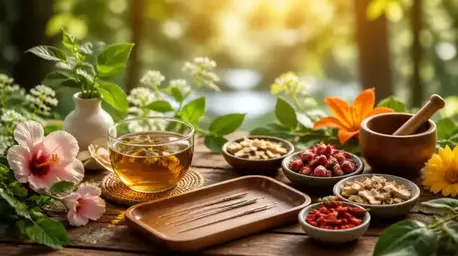
Growth, creativity, and energy of spring.
Did you know that aligning your health practices with the rhythms of nature can profoundly enhance your overall well-being? In the world of Traditional Chinese Medicine (TCM), this connection is not just a concept—it's a way of life. Exploring TCM offers insights into how we can harmonize our bodies with the universe, fostering a healthier, more balanced existence.
Understanding the connection between the Five Elements and their corresponding seasons can enhance our approach to health and wellness. For a deeper dive into how these elements influence acupuncture treatments, explore Five Elements in Acupuncture Treatment.
Growth, creativity, and energy of spring.
Passion, joy, and the peak of summer.
Stability, nourishment, and the transition between seasons.
Clarity, resilience, and the onset of autumn.
Calmness, introspection, and the essence of winter.
Welcome to the fascinating world of Traditional Chinese Medicine (TCM)! Here at Needle & Nature, we believe that understanding TCM's core principles can significantly enhance our journey toward holistic health. TCM is not just about treating illnesses; it's a comprehensive system that emphasizes the harmonious balance between our bodies and the natural world around us. By exploring these connections, we can unlock the potential for greater well-being in our daily lives.
At its essence, TCM revolves around the concept of balance, particularly between the forces of Yin and Yang. These two opposing yet complementary energies work together to create harmony within us. TCM incorporates various practices such as acupuncture, herbal medicine, and dietary therapy, all aimed at restoring this balance. As we delve deeper, we will see how nature's cycles play a crucial role in this harmonious relationship.
To truly appreciate TCM, it’s vital to grasp its foundational principles. TCM is built on the understanding that our bodies are interconnected with the universe. This philosophy encourages us to view health not merely as the absence of disease, but as a state of overall balance and harmony. TCM practices are designed to restore this equilibrium, addressing both physical and emotional well-being. To learn more about how nature's rhythms directly influence healing, explore Healing with Seasonal Chinese Medicine.
Key principles of TCM include:
Within TCM, several practices work in tandem to promote health. Acupuncture, one of the most well-known, involves inserting fine needles into specific points on the body to stimulate energy flow, or Qi. This practice helps relieve pain and restore balance while activating the body's natural healing processes. Additionally, herbal medicine, dietary adjustments, and Qi Gong are integral aspects of TCM, each contributing to a well-rounded approach to health.
Understanding these practices allows us to appreciate how they fit into the larger framework of TCM. They work not only to alleviate symptoms but also to address underlying imbalances that may lead to illness over time. Through my experience as a holistic health practitioner, I have witnessed how these methods can dramatically improve one’s overall vitality and wellness.
Nature’s rhythms are fundamental to TCM. Just as the seasons change, so do our bodies and their needs. By aligning our health practices with nature’s cycles, we can enhance our well-being and foster a deeper connection with the world around us. For instance, spring represents renewal and growth, making it an ideal time for detoxification and rejuvenation practices.
Here are some ways nature's rhythms influence TCM:
The Five Elements—Wood, Fire, Earth, Metal, and Water—form a vital aspect of TCM philosophy. Each element is associated with different seasons, emotions, and bodily organs. By understanding these elements and their cycles, we can gain insights into our health and well-being. For further reading on this topic, consider our article on The Five Elements of Chinese Medicine.
The interplay between these elements creates a dynamic flow of energy, known as the Sheng (nourishing) and Ke (controlling) cycles. For instance, Wood feeds Fire, while Water controls Fire. Recognizing how these cycles affect us can empower us to make informed choices about our health.
Each of the Five Elements carries unique characteristics and influences our physical and emotional health. Here’s a brief overview:
The Sheng and Ke cycles illustrate how the Five Elements interact with one another. The Sheng cycle promotes growth and nourishment, while the Ke cycle represents control and balance. Understanding these cycles can help us identify how to support our health during seasonal shifts.
For example, in spring, as we awaken from winter's slumber, we tap into the Wood element's energy to invigorate our bodies and minds. By recognizing these elemental influences, we can tailor our practices accordingly, embracing the natural flow of energy in our lives.
Here's a brief recap of the key points discussed so far:
A: TCM is a comprehensive system of medicine that emphasizes the harmonious balance between the body and the natural world. It views health as a state of overall balance and harmony, not merely the absence of disease. Practices include acupuncture, herbal medicine, dietary therapy, and Qi Gong.
A: Nature's rhythms are fundamental to TCM. Each season corresponds to specific elements and organs, guiding health practices. By aligning our lifestyle and wellness routines with these seasonal changes, we can enhance our well-being, support internal balance, and foster resilience.
A: The Five Elements are Wood, Fire, Earth, Metal, and Water. Each element is associated with different seasons, emotions, and bodily organs, providing a framework for understanding health and well-being within TCM philosophy.
A: The Sheng (nourishing) and Ke (controlling) cycles describe how the Five Elements interact. The Sheng cycle promotes growth and nourishment (e.g., Wood feeds Fire), while the Ke cycle represents control and balance (e.g., Water controls Fire). Understanding these cycles helps adapt health practices to seasonal shifts.
A: You can integrate TCM by cultivating awareness of the seasons and their effects on your body, experimenting with seasonal foods, engaging in self-care routines that align with seasonal energy, and seeking guidance from holistic health practitioners like those at Needle & Nature.
As we wrap up our exploration of Traditional Chinese Medicine (TCM) and its profound connection to nature's cycles, let's reflect on the key insights we've gathered. TCM teaches us that our health is not just about treating symptoms but embracing a holistic approach that emphasizes balance and prevention. By aligning our wellness practices with the natural rhythms around us, we can enhance our well-being and foster a deeper connection with ourselves and our environment.
Understanding this relationship can empower us to make more informed choices about our health. The wisdom of TCM provides a framework for recognizing how seasonal changes impact our bodies and emotions. As I often share at Needle & Nature, recognizing these cycles can lead to a transformative journey in managing our health. Have you noticed how different seasons affect your mood or energy levels?
There are several essential takeaways from our discussion on TCM and its seasonal harmony:
These elements serve as a gentle reminder that our health is deeply intertwined with the world around us. It’s fascinating to think that the lessons from the ancient practices of TCM can still resonate today, guiding us toward a more intentional way of living.
Incorporating balance and prevention into our health practices can be profoundly beneficial. Simple strategies such as recognizing your body’s needs during the changing seasons can lead to more significant health improvements. For example, during spring, it's essential to engage in activities that promote detoxification, while in winter, nurturing practices like warm foods and rest can support your immune system. For more detailed insights, read about Acupuncture for Seasonal Wellness.
Think about how you can create a routine that honors these seasonal shifts. This proactive approach can make a world of difference. It’s all about finding what resonates with you and your unique journey.
As we navigate modern health challenges, the ancient wisdom of TCM still holds value. By weaving TCM principles into our daily lives, we can address contemporary issues such as stress, fatigue, and emotional well-being. For instance, practicing mindfulness and incorporating seasonal foods into our diet can enhance our overall health and vitality.
Let’s take a moment to consider: How can the principles of TCM help you address your unique health concerns? I encourage you to explore these connections and allow the wisdom of nature to guide you.
As you embark on your journey toward better health, I invite you to integrate TCM practices into your daily life. It can be as simple as cultivating awareness of the seasons and their effects on your body and mind. Here are some action steps to consider:
These small, intentional actions can lead to profound transformation. The journey to wellness is a deeply personal one, and I encourage you to embrace it fully!
As we conclude, I’d love to hear from you! What experiences have you had with TCM or the changing seasons? Have you felt a connection between your health and nature's rhythm? Sharing your story can inspire others in our community to reflect on their own wellness journeys.
At Needle & Nature, we believe in the power of connection and shared experiences. Let’s create a supportive environment where we can learn from one another. I encourage you to leave your thoughts in the comments below or connect with us on social media. Together, we can explore the beauty of holistic wellness and the wisdom that nature offers us! You can also find more insights on Acupuncture and Seasonal Harmony.
Here is a quick recap of the important points discussed in the article:
Jin Mei Warner is a licensed acupuncturist and holistic health practitioner with a deep passion for integrating natural healing principles into daily life. Specializing in aligning acupuncture practices with the rhythms of nature, seasonal cycles, and the Five Elements, she offers a unique approach to holistic wellness and energetic balance. Jin Mei is committed to fostering well-being through nature-based healing, guiding individuals on their journey to optimal health.
At Needle & Nature, we explore the profound connections between acupuncture, seasonal cycles, and the Five Elements. Our mission is to provide holistic wellness solutions that support energetic balance and well-being, empowering you to embrace nature's healing powers.
Aligning with Nature's Rhythms