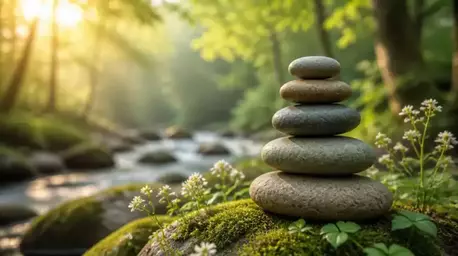
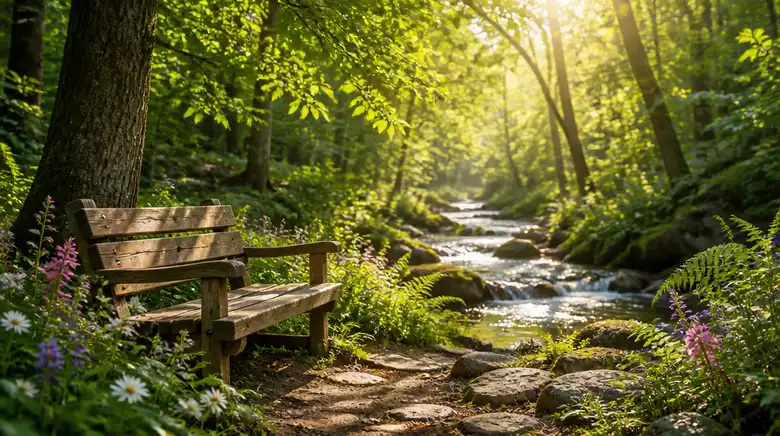
Reduced Stress
Nature exposure lowers cortisol levels, promoting a sense of calm and well-being.
Did you know that spending just a little time in nature can drastically shift your emotional state? The connection between nature and emotional wellbeing is not just a theory; it's backed by substantial research showing how our surroundings influence our mental health. As you delve into the insights provided in this article, consider how you can integrate nature into your daily life for enhanced emotional balance.
Key areas affected by nature exposure include stress reduction, mood improvement, and enhanced emotional regulation. For a deeper understanding of how these elements intertwine with traditional practices, explore the benefits of acupuncture for seasonal wellness.
Nature exposure lowers cortisol levels, promoting a sense of calm and well-being.
Engaging with nature helps combat feelings of sadness and boosts overall happiness.
Nature fosters a sense of peace, allowing better emotional processing and regulation.
Nature offers a powerful influence on our emotional health. Imagine stepping outside, feeling the gentle breeze on your face, and listening to the rustling leaves. It’s no surprise that being in nature can significantly enhance our mood, promote stress reduction, and help us feel more balanced. Research shows that spending time outdoors can lead to a better ability to manage our emotions and foster a greater sense of well-being.
Have you ever noticed how a walk in the park can lift your spirits? Studies indicate that nature can provide a calming effect, reducing anxiety and enhancing our overall emotional resilience. Just as I witness in my acupuncture practice at Needle & Nature, where we embrace the healing powers of the natural world, the connection between our surroundings and emotional wellness is profound.
Nature’s impact on mental health is undeniable. Engaging with the natural world can lead to:
As seasons change, I encourage my clients to connect with nature, aligning their wellness practices with the rhythms of the earth. This not only helps to maintain emotional balance but also reinforces the link between our well-being and the environment. For more insights on seasonal health, consider exploring healing with seasonal Chinese medicine.
Emotional well-being encompasses our ability to manage emotions, cope with stress, and maintain a positive outlook on life. It’s about feeling good in our skin and having healthy relationships. When we bring nature into the picture, we create an environment that supports this well-being.
Research highlights that emotional well-being is closely tied to one’s surroundings. Factors such as access to green spaces, exposure to sunlight, and even the presence of water can deeply influence our emotional state. At Needle & Nature, I often discuss the importance of aligning our emotional health with the natural world to foster a more fulfilling life.
Nature therapy, often referred to as ecotherapy, is a growing field dedicated to harnessing the healing benefits of nature. This therapeutic practice includes:
Through these practices, we can experience profound shifts in our emotional health. Have you ever tried spending time outdoors with intention? Perhaps a simple walk or mindful breathing amidst the trees can spark a sense of rejuvenation!
The evidence linking nature to emotional well-being is substantial. Numerous studies point to a clear connection that illustrates how engaging with the natural world can lead to improvements in mental health. Take a moment to reflect: how might your life change if you intentionally integrated more nature into your daily routine?
Did you know that even a brief exposure to nature can have immediate benefits for your emotional state? Try stepping outside for just 10 minutes during your lunch break, or take a short walk in a nearby park. The fresh air and natural scenery can significantly improve your mood and focus for the rest of the day!
When we talk about the benefits of nature exposure, it's crucial to recognize that different groups experience varying advantages. For instance, children often thrive in natural environments, where play and exploration can boost their creativity and emotional resilience. Likewise, office workers can gain significant stress relief and improved focus through regular outdoor breaks.
Moreover, individuals grappling with anxiety or depression find solace in nature's calming embrace. The natural world can act as a gentle balm, easing emotional burdens and promoting a renewed sense of hope. Who in your life might benefit from stepping outside more often?
Nature has a remarkable ability to aid in overcoming specific emotional challenges. For example, dealing with grief can feel overwhelming, but spending time outdoors can provide a sense of connection and healing. The quiet beauty of a forest or garden may help us process our emotions and find peace.
Similarly, those feeling lonely can benefit from engaging with nature. Activities like joining a community garden or attending a local park event can foster connections with others. Burnout, often experienced by many in our fast-paced world, can also be alleviated through nature walks that encourage self-reflection and rejuvenation. For more on emotional healing techniques, consider reading about autumn acupuncture for emotional healing.
Have you ever noticed how a vibrant garden filled with various plants and flowers can lift your spirits? The presence of biodiversity plays a significant role in our emotional health. Different species in natural settings encourage us to explore our surroundings, enhancing our sense of wonder and curiosity.
Research indicates that biodiversity not only supports ecological balance but also fosters our mental wellness. Engaging with diverse ecosystems can lead to increased feelings of happiness and satisfaction. So next time you’re out in nature, take a moment to appreciate the rich tapestry of life around you! To further understand the connection between our environment and well-being, explore how energy balance, acupuncture, and nature align.
A: Nature exposure lowers cortisol levels, the hormone associated with stress, promoting a sense of calm and well-being.
A: Yes, engaging with natural environments helps combat feelings of sadness and significantly boosts overall happiness.
A: Nature therapy, or ecotherapy, involves therapeutic practices like nature walks, gardening, and mindfulness in natural settings to enhance emotional resilience and well-being.
A: Everyone can benefit, but it's particularly helpful for children (fostering creativity), office workers (reducing stress and enhancing focus), and individuals with anxiety or depression (finding calm and hope).
A: Biodiversity encourages exploration and curiosity, supports ecological balance, and is linked to increased feelings of happiness and satisfaction, contributing positively to mental wellness.
To sum it up, nature offers incredible emotional benefits that can enhance our mental health. From reducing stress and improving mood to fostering connections with others, the power of the natural world is both profound and accessible. Through simple practices, like spending time outdoors or engaging with diverse ecosystems, we can nurture our emotional wellbeing.
I encourage you to take a step outside today! Whether it’s a walk in the park or tending to your garden, every little action counts. At Needle & Nature, we believe in the transformative potential of nature-based healing. So, let's embrace the beauty of the outdoors together and support our well-being through these simple, accessible activities. What will your first step be? For more insights into how nature influences healing, consider exploring nature's role in acupuncture healing.
Here is a quick recap of the important points discussed in the article:
Jin Mei Warner is a licensed acupuncturist and holistic health practitioner with a deep passion for integrating natural healing principles into daily life. Specializing in aligning acupuncture practices with the rhythms of nature, seasonal cycles, and the Five Elements, she offers a unique approach to holistic wellness and energetic balance. Jin Mei is committed to fostering well-being through nature-based healing, guiding individuals on their journey to optimal health.
At Needle & Nature, we explore the profound connections between acupuncture, seasonal cycles, and the Five Elements. Our mission is to provide holistic wellness solutions that support energetic balance and well-being, empowering you to embrace nature's healing powers.
Aligning with Nature's Rhythms