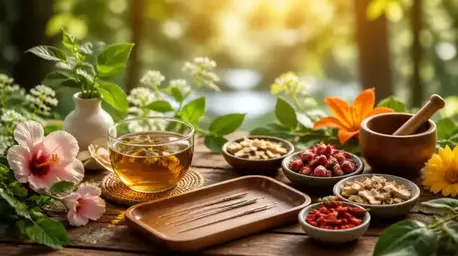

Acupuncture for Seasonal Energy Boost
Have you ever noticed how your energy levels seem to fluctuate with the changing seasons? This isn’t just a coincidence; it’s a reflection of the natural rhythms that govern our bodies and well-being. Understanding the principles of Traditional Chinese Medicine (TCM) can empower you to harmonize with these seasonal shifts and enhance your overall health.
Key Takeaways
- Acupuncture can help manage seasonal energy shifts by aligning the body's Qi flow with nature's rhythms.
- The Five Elements in TCM—Wood, Fire, Earth, Metal, and Water—correspond to different seasons and can help guide personal wellness strategies.
- Each season emphasizes different meridians; for example, focusing on the Lung Meridian in autumn can alleviate fatigue and support emotional well-being.
- Engaging in practices such as tai chi, mindful breathing, and regular acupuncture can enhance Qi flow and improve energy levels throughout seasonal transitions.
- Acupuncture provides a natural approach to addressing Seasonal Affective Disorder (SAD) by re-establishing energetic balance and emotional resilience.
Seasonal Energy Transitions and Their Impact on Acupuncture Treatments
Understanding how different seasons affect our energy levels and acupuncture practices can guide our wellness strategy. For a deeper dive into how acupuncture can support your well-being throughout the year, explore acupuncture for seasonal wellness.
Spring
Liver Meridian, promoting growth and detoxification. Increased energy and motivation are common during this time.
Summer
Heart Meridian, enhancing joy and connection. Vitality peaks as social energy flourishes.
Late Summer
Spleen Meridian, focusing on nourishment and digestion. A time for reflection and transition.
Autumn
Lung Meridian, encouraging release and introspection. Energy begins to wane as the days shorten.
Winter
Kidney Meridian, emphasizing rest and conservation. A time for reflection and inner focus.
Understanding Acupuncture and Seasonal Energy Shifts
As the seasons change, our bodies experience shifts in energy that can impact our overall well-being. At Needle & Nature, I’ve found that understanding these energy transitions through the lens of acupuncture can profoundly enhance our health. By exploring the principles of Traditional Chinese Medicine (TCM), we uncover the vital connection between our internal energy, or Qi, and the rhythms of nature.
The beauty of TCM lies in its holistic approach, which recognizes that our health is intricately linked to the cycles around us. Have you ever noticed how you feel more energized in the spring and sluggish in the winter? These patterns are not mere coincidences; they reflect the dynamic flow of energy that TCM seeks to harmonize.
The Role of Traditional Chinese Medicine (TCM) in Energy Management
TCM offers invaluable insights into managing our energy, especially as the seasons transition. One of the foundational concepts is Qi flow, which refers to the vital life force that circulates throughout our bodies. When Qi flows freely, we experience a sense of balance and vitality. However, during seasonal shifts, this flow can become disrupted, leading to feelings of fatigue or disconnection. To learn more about maintaining this balance, consider reading about energy balance in acupuncture and nature.
Understanding the importance of Qi in our seasonal transitions can empower us to make mindful choices. By recognizing the signs of seasonal energy shifts, we can proactively address them through acupuncture and lifestyle adjustments. Have you ever considered how your energy levels fluctuate with the seasons?
Defining Qi Flow and Its Importance in Seasonal Transitions
Qi flow acts like a river within our bodies, nourishing organs and systems as it moves. As we transition from one season to another, the nature of this flow changes. For instance, during the winter, Qi may retreat inward, focusing on preservation and rest, while spring encourages outward expressions of growth and vitality. Understanding these shifts can guide our wellness practices.
To support healthy Qi flow, consider incorporating practices such as:
- Regular acupuncture sessions tailored to seasonal needs
- Mindful breathing exercises to enhance energy circulation
- Gentle movements like tai chi or yoga that harmonize with nature's rhythms
The Connection Between TCM Elements and Energetic Balance
In TCM, the Five Elements—Wood, Fire, Earth, Metal, and Water—serve as a framework for understanding our connection to nature. Each element corresponds to different seasons and emotional states, helping us navigate our energetic balance. For example, the Wood element represents spring, symbolizing renewal and growth, while the Water element embodies winter, signifying introspection and rest. Delve deeper into this concept by exploring the Five Elements of Chinese Medicine.
By recognizing which element is dominant during a particular season, we can tailor our acupuncture treatments and lifestyle choices. This alignment fosters a deeper connection to our bodies and the world around us. What element do you feel resonates with you during this season?
How Seasonal Changes Influence Acupuncture Treatments
The changing seasons offer a unique opportunity to adapt our acupuncture treatments to support our energetic needs. Each season emphasizes different meridians, which are pathways through which Qi flows. By focusing on these seasonal meridians, we can enhance our vitality and well-being.
For example, during the transition from summer to autumn, I often observe a shift in energy levels among my clients. This awareness allows me to adjust treatments accordingly, helping to alleviate feelings of fatigue that may arise. How might you feel more energized this autumn?
Examining Seasonal Meridian Associations and Their Effects on Energy
Each season corresponds to specific meridians that influence our energy dynamics. Here’s a quick overview of seasonal associations:
- Spring: Liver Meridian, promoting growth and detoxification
- Summer: Heart Meridian, enhancing joy and connection
- Late Summer: Spleen Meridian, focusing on nourishment and digestion
- Autumn: Lung Meridian, encouraging release and introspection
- Winter: Kidney Meridian, emphasizing rest and conservation
The Impact of Late Summer to Autumn Transitions on Energy Levels
As we transition from late summer to autumn, it's common to experience a drop in energy levels. The days become shorter, and the cooler air might make us feel more sluggish. This shift can affect our mood and overall vitality, which is why focusing on the Lung Meridian during this time is crucial. Acupuncture can help bolster our energy, encouraging a smooth transition.
During this period, consider incorporating practices that support your energy, such as:
- Receiving acupuncture treatments that focus on the Lung Meridian
- Engaging in outdoor activities to embrace the crisp autumn air
- Practicing gratitude and reflection to enhance emotional balance
Addressing Seasonal Affective Disorder through Acupuncture
Seasonal Affective Disorder (SAD) can significantly impact our well-being during the darker months. Fortunately, acupuncture provides a gentle, natural approach to manage and alleviate symptoms. By addressing the energetic imbalances that often accompany SAD, we can foster greater emotional resilience.
Through targeted acupuncture treatments, we can help re-establish your connection to nature and promote feelings of lightness during the heavier seasons. Remember, your journey toward balance is a shared experience, and I’m here to support you every step of the way. For more insights on connecting with nature for healing, refer to Nature's Healing in Chinese Medicine.
Pro Tip
Did you know? To optimize your acupuncture experience during seasonal transitions, consider keeping a journal of your energy levels and moods. This practice can help you and your practitioner identify patterns and tailor treatments more effectively, ensuring that your acupuncture sessions align perfectly with your unique seasonal needs.
Frequently Asked Questions About Acupuncture and Seasonal Energy
Here are some common questions about how acupuncture can help with seasonal energy shifts:
- Q: How does TCM explain seasonal energy fluctuations?
- A: TCM views seasonal energy fluctuations as natural responses to the shifting energies of nature. Each season is associated with specific elements, organs, and meridians. For example, spring is linked to the Wood element and the Liver meridian, emphasizing growth and detoxification. Disruptions in these seasonal flows can lead to imbalances, which acupuncture aims to correct.
- Q: What is Qi flow, and why is it important during seasonal transitions?
- A: Qi flow is the vital life force that circulates throughout the body. During seasonal transitions, the nature of this flow changes. Maintaining healthy Qi flow is crucial for balance and vitality; disruptions can lead to fatigue or illness. Acupuncture helps ensure smooth Qi circulation to adapt to these changes.
- Q: How do the Five Elements of TCM relate to seasonal wellness?
- A: The Five Elements (Wood, Fire, Earth, Metal, Water) are a framework in TCM that connects our bodies to nature's cycles. Each element corresponds to a season, affecting specific organs and emotions. Understanding these connections allows for tailored acupuncture treatments and lifestyle adjustments that align with the dominant elemental energy of each season.
- Q: Can acupuncture help with Seasonal Affective Disorder (SAD)?
- A: Yes, acupuncture can be an effective natural approach to managing and alleviating symptoms of Seasonal Affective Disorder (SAD). By addressing underlying energetic imbalances, acupuncture helps re-establish emotional resilience and promotes a sense of well-being during the darker months.
- Q: What should I expect from an acupuncture session tailored for seasonal changes?
- A: You can expect a personalized session that harmonizes with the current season and your unique energetic needs. The practitioner will often inquire about your symptoms and feelings to tailor the treatment. Specific acupuncture points related to the seasonal meridians (e.g., Liver in spring, Lung in autumn) will be utilized to support your body's adaptation to seasonal shifts.
What Can I Expect from an Acupuncture Session During Seasonal Changes?
When you come into Needle & Nature for an acupuncture session, especially during seasonal transitions, you can expect a personalized experience that aligns with your body's changing energy. Each session is designed to harmonize with both the current season and your unique energetic needs. I often start by asking about your feelings and any physical symptoms you might be experiencing to tailor the treatment precisely to you!
During the session, I will utilize specific acupuncture points that resonate with the seasonal energies. For instance, in spring, we might focus on the Liver meridian to support detoxification and renewal, while in autumn, we may target the Lung meridian to enhance respiratory health. Are you curious about how these seasonal shifts could be affecting your energy levels?
Are There Any Contraindications for Acupuncture Treatments?
While acupuncture is generally safe and beneficial, there are certain situations where caution is advised. It’s important to discuss any medical history, especially if you have conditions such as bleeding disorders or are on blood thinners. I recommend keeping an open line of communication with me about any concerns you might have. This helps ensure that your acupuncture journey is as safe and effective as possible!
Here are some common contraindications to consider:
- Pregnancy or specific medical conditions
- Severe bleeding disorders or blood-thinning medications
- Active infections or skin conditions at needle sites
Always remember, your health and safety are top priorities at Needle & Nature. If in doubt, I encourage you to reach out with your questions!
Connecting with Practitioners and Next Steps for Energy Enhancement
Finding Qualified TCM Practitioners with Expertise in Seasonal Treatments
Choosing the right practitioner is crucial for a fulfilling acupuncture experience. Look for someone who specializes in Traditional Chinese Medicine and has a solid understanding of seasonal changes and their impact on health. A practitioner like myself, with a focus on integrating holistic principles with the rhythms of nature, can make a significant difference in your healing journey! You can also find more information on healing with seasonal Chinese medicine.
Here are some tips for finding the right TCM practitioner:
- Check their qualifications and experience in TCM.
- Look for reviews or testimonials that mention seasonal treatment expertise.
- Ask about their approach to incorporating nature's cycles into their practice.
Your health is an adventure, and having a knowledgeable guide can enhance your experience immensely!
Booking Your Session: Steps to Take for Optimal Energy Alignment
Ready to take the leap into acupuncture? Booking a session at Needle & Nature is easy! Start by visiting our website or giving us a call to find a time that fits your schedule. During your initial consultation, we will discuss your health history, any specific concerns, and how acupuncture can align with the current season's energies.
Here’s a simple step-by-step guide to get started:
- Visit our website or call to schedule your appointment.
- Prepare any questions or topics you want to discuss during your session.
- Arrive relaxed and ready to embrace the healing process!
I’m excited to guide you on your path to enhanced energy and well-being!
Summarizing the Benefits of Acupuncture for Seasonal Energy Transition
Key Takeaways on Maintaining Energy through Acupuncture
In conclusion, acupuncture serves as a powerful ally in navigating the shifts of seasonal energy. With its roots in Traditional Chinese Medicine, it helps balance Qi flow, supports emotional well-being, and addresses seasonal ailments. Whether you’re looking to invigorate your energy in spring or find calm in the autumn, acupuncture can be tailored to fit your needs!
Remember, seasonal acupuncture is more than just a treatment; it’s a holistic approach to aligning your health with the natural world. Have you thought about how these seasonal changes could enhance your overall well-being?
Encouragement to Integrate Acupuncture as a Seasonal Wellness Strategy
I invite you to embrace the transformative potential of acupuncture as part of your seasonal wellness routine. At Needle & Nature, we offer a nurturing space where you can explore how nature's rhythms impact your health. Let’s embark on this journey together, and discover the healing possibilities that await you! For more comprehensive guidance on overall wellness, consider exploring wellness through seasonal changes.
Have any questions or experiences to share about acupuncture? I would love to hear from you in the comments below! Together, let’s cultivate a community that supports holistic wellness and connection to nature.
Recap of Key Points
Here is a quick recap of the important points discussed in the article:
- Understanding how seasonal energy shifts affect our overall well-being through the lens of Traditional Chinese Medicine (TCM).
- Qi flow is essential for maintaining balance and vitality; disruptions can lead to fatigue and disconnection.
- Incorporating seasonal practices, such as acupuncture and mindful movements, can support healthy Qi flow.
- Recognizing the Five Elements in TCM helps tailor treatments and lifestyle choices to align with seasonal changes.
- Adapting acupuncture treatments to focus on seasonal meridians can enhance energy levels and well-being.
- Acupuncture can effectively address Seasonal Affective Disorder (SAD) by re-establishing energetic balance.
- Choosing a qualified TCM practitioner with expertise in seasonal treatments is crucial for a fulfilling acupuncture experience.
- Engaging in outdoor activities and practicing gratitude can enhance emotional balance during seasonal transitions.